Head-to-Head: Galaxy A57 And Galaxy A37 Hands On vs Samsung Galaxy S26 (Detailed Comparison)
Samsung’s lineup spans from value-focused mid-rangers to feature-packed flagships, and choosing the right phone often comes down to real-world priorities: battery life for a long day out, camera quality for everyday photography, software updates, or sheer performance for demanding apps. This hands-on comparison examines the Galaxy A57 and Galaxy A37 (mid-range entries) against the Samsung Galaxy S26 (Samsung’s flagship offering), highlighting how each device performs in everyday scenarios and which buyer profiles they best serve.
Introduction
Mid-range phones like the Galaxy A57 and Galaxy A37 aim to deliver sensible compromises: solid displays, dependable camera setups, and long-lasting battery life—without the premium price. The Galaxy S26, by contrast, targets users who want top-tier performance, the best cameras Samsung offers, and longer software support. This article looks beyond spec sheets and focuses on how these phones behave in real use: day-to-day performance, camera results in varying light, battery endurance under mixed workloads, and software experience over time.
First impressions and build quality
Galaxy A57 (hands-on)
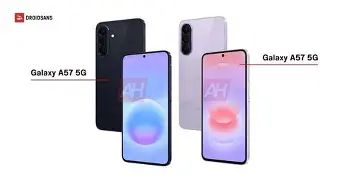
The Galaxy A57 presents itself with a refined design relative to prior A-series phones: a matte back finish that resists fingerprints, a flat frame with comfortable in-hand ergonomics, and a weight that strikes a balance between feeling solid and remaining pocket-friendly. The display is bright and pleasantly color-accurate for the category, making video streaming and reading comfortable in varied lighting conditions.
Galaxy A37 (hands-on)
The Galaxy A37 takes cost-conscious choices and applies them to a modern body: plastic back and frame that still feel sturdy, a slightly smaller footprint than the A57, and a focus on battery life and everyday reliability. It’s designed for users who want a capable smartphone without premium materials; the trade-offs are clearly conservative but practical.
Samsung Galaxy S26
The S26 is engineered as a premium device: glass or advanced composite back options, a metal frame, and often a slimmer bezel around a brighter, higher-refresh-rate display. In hand, it feels more refined than the A-series models and conveys the build quality expected of a flagship—especially relevant to buyers who care about materials and finish as part of the ownership experience.
Display and multimedia
Display quality is one of the most tangible differences between mid-range and flagship devices.
- Galaxy A57: A vivid AMOLED (or AMOLED-like) panel with a smooth refresh rate in many configurations. It’s ideal for streaming, social media browsing, and casual gaming. Good peak brightness makes outdoor use acceptable, though not class-leading.
- Galaxy A37: Typically uses a quality LCD or entry-level AMOLED depending on market. The panel delivers accurate colors for everyday content but can fall short under direct sunlight and lacks the ultra-smooth high refresh rates of flagship displays.
- Galaxy S26: Flagship-level OLED with higher peak brightness, HDR capability, and consistently silky refresh (adaptive rates). This matters for media enthusiasts, mobile gamers who prioritize visual fidelity, and users who use their phones outdoors frequently.
Performance and daily use
Performance varies based on chipset, RAM, and software optimization. In everyday tasks—messaging, browsing, social apps—each phone handles the workload, but differences show up under heavier use.
Looking for the best Mobile Phones deals on Amazon?
Shop Amazon →- Galaxy A57: Mid-range chipsets tuned for efficiency provide smooth multitasking for typical hobbies and productivity apps. Gamers can expect decent performance at medium settings but may see frame drops in intensive titles.
- Galaxy A37: A step down in raw power; it’s optimized for battery life and straightforward use. It will comfortably handle social apps, video playback, and light gaming, but advanced multitasking should be approached with tempered expectations.
- Galaxy S26: Top-tier chipset delivers fast app launches, consistent performance in demanding games, and headroom for future apps. This extra performance benefits creators using mobile editing tools and users who keep devices for several years.
Battery life and charging
Battery endurance is one of the most practical concerns for buyers who rely on a single charge through a long commute or a day of travel.
- Galaxy A57: Prioritizes battery life with efficient hardware and software. In mixed usage—calls, navigation, streaming—this phone often lasts a full day and sometimes goes into a second day with moderate use.
- Galaxy A37: Focuses heavily on longevity; users who primarily browse, message, and consume media can expect extended life across a day and into the next with conservative use.
- Galaxy S26: While high-performance hardware can be more demanding, S-series devices include battery and software optimizations to support a full day of intensive use. The advantage comes with faster wired and wireless charging options that restore power more quickly.
Cameras: real-world photo and video
Cameras define purchase decisions for many. Practical differences are not only in megapixel counts but in image processing, low-light capability, stabilization, and the quality of secondary lenses.
Galaxy A57 — camera impressions
The A57 offers a versatile camera setup geared toward everyday photography: a reliable main sensor, a useful ultrawide for landscapes or group shots, and software-based enhancements for portraits. In bright light it captures pleasing photos with balanced color; low-light shots are competent thanks to processing but do not match flagship clarity or dynamic range.
Galaxy A37 — camera impressions
The A37’s camera system aims primarily at documentation. It’s fine for social sharing and casual snapshots, but fine-detail preservation and low-light performance are limited. Buyers who prioritize stable, simple results rather than creative or professional-grade shots will be satisfied.
Galaxy S26 — camera impressions
The S26 typically outperforms the A-series on every camera metric: sharper detail, superior low-light performance, better optical zoom options, and more stable video. Computational photography features—night modes, portrait separation, and pro-level controls—tend to be more advanced, catering to buyers who treat their phone as their primary camera.
Software and long-term updates
Software experience affects usability over the lifetime of a device. Samsung’s One UI is common across these phones, but update commitments differ.
Looking for the best Mobile Phones deals on Amazon?
Browse Now →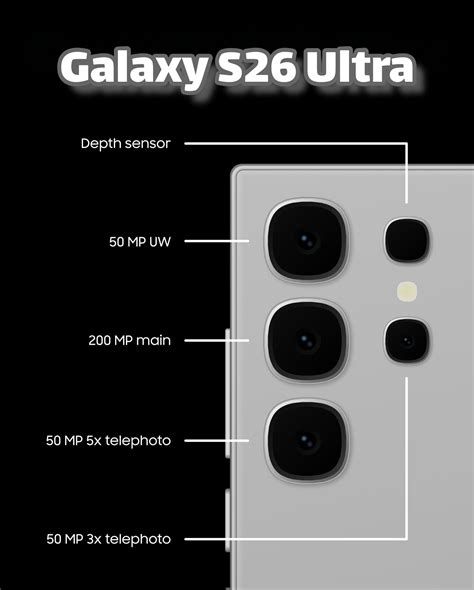
- Galaxy A57 and A37: Receive regular security patches and some Android version updates, but typically fewer major OS upgrades compared to flagships. For buyers wanting the latest Android features for many years, this is an important consideration.
- Galaxy S26: Flagship S-series phones usually receive the longest update support, both in major OS versions and security maintenance. This can justify the higher initial cost for users who keep phones for several years.
Pros & Cons
Galaxy A57 — Pros & Cons
- Pros: Balanced design and good display for the price; strong battery life for mixed use; versatile cameras for everyday photography; comfortable ergonomics; strong value for users prioritizing features over premium materials.
- Cons: Mid-range performance may struggle with sustained heavy gaming; lower-tier update commitments; camera and display do not match flagship depth in extreme lighting or professional tasks.
Galaxy A37 — Pros & Cons
- Pros: Excellent battery endurance for basic-to-moderate use; reliable performance for daily tasks; budget-friendly; simple and dependable camera for social needs.
- Cons: Limited performance headroom for advanced apps; display and camera are functional but conservative; shorter major update window compared to flagships.
Samsung Galaxy S26 — Pros & Cons
- Pros: Class-leading performance and camera quality; premium display with high brightness and refresh rate; longer software support; faster charging and premium build materials; better long-term value for power users.
- Cons: Higher price point; battery life can be impacted under sustained heavy use (though fast charging mitigates downtime); premium features may be wasted on users who only need basic smartphone functionality.
Comparison Table
| Category | Galaxy A57 | Galaxy A37 | Samsung Galaxy S26 |
|---|---|---|---|
| Positioning | Upper mid-range — value with features | Entry/mid-range — budget-focused | Flagship — premium performance and camera |
| Display | Vivid AMOLED class display, good brightness | Practical LCD/entry AMOLED, adequate for daily use | Top-tier OLED, highest brightness and HDR support |
| Performance | Mid-range SoC, smooth for general use | Efficiency-focused SoC, sufficient for basic tasks | Flagship SoC, best for gaming and heavy multitasking |
| Battery life | Very good — typically a full day plus | Excellent — often multi-day with light use | Good — optimized but depends on usage intensity |
| Cameras | Versatile and capable for social and family photos | Serviceable for casual snapshots | Best-in-class: superior low-light, zoom, and stabilization |
| Software updates | Moderate update window | Limited major updates | Extended update support |
| Price tier | Affordable to mid-range | Budget-friendly | Premium |
| Best for | Value-conscious buyers wanting modern features | Users prioritizing battery life and low cost | Power users, photographers, and long-term owners |
Real-world use cases and buyer concerns
Buyers typically weigh a few recurring concerns when choosing a phone: battery life, camera quality, performance, software longevity, and cost. Below are scenarios showing which phone suits which user.
- Commuters and frequent travelers: The Galaxy A57 and A37 provide reassuring battery life and comfortable ergonomics; A37 is particularly notable for multi-day endurance under conservative use. The S26 is better for travelers who need fast charging and the best possible navigation and camera performance while on the road.
- Mobile photographers and creators: The Galaxy S26 clearly leads here with superior sensors, better low-light capability, and advanced video features. The A57 is a good secondary camera phone for casual creators; the A37 will satisfy social-photo needs but lacks professional flexibility.
- Gamers and power users: For heavy gaming, multitasking, or running productivity suites, the S26’s flagship chipset and higher refresh display deliver smoother experiences. A57 handles mainstream titles decently; A37 is better for casual gaming only.
- Budget-focused buyers: The A37 is an attractive proposition: capable core features at a lower price. Buyers who prioritize value over premium materials will find it compelling.
Buying guide
To choose between these three phones, buyers should use the checklist below to align device strengths with personal priorities.
Checklist before purchase
- Define primary use: Is the phone for photography, gaming, commuting, or basic communication? Prioritize S26 for photography/gaming; A57 for balanced needs; A37 for basic use and long battery life.
- Set a budget: Flagship features cost more. If price is a constraint, set a firm limit and evaluate which A-series option fits without sacrificing essential features.
- Consider longevity: If keeping a phone for 3+ years, stronger software support (as with the S26) is worth the investment.
- Test ergonomics in person: Size and weight impact daily comfort. Hold each model, check button placement, and ensure it fits in pockets and any intended mounts or cases.
- Evaluate camera samples: Look at real photos from each device across lighting conditions. Pay attention to skin tones, dynamic range, and video stabilization if that matters.
- Think about accessories and repairs: Factor in case and screen protector costs, and check warranty/repair options in the buyer’s region.
Suggested configurations
- Choose the highest RAM and storage option affordable: more RAM helps with multitasking; more storage avoids early reliance on cloud storage.
- For the S26, prioritize models with expanded camera options if photography is a priority.
- For A-series phones, prioritize battery capacity and software version if you plan to keep the phone for longer than two years.
Practical tips after purchase
- Install a case that preserves grip and protects vulnerable camera bumps; mid-range phones often use plastic or lighter glass, which benefits from protection.
- Calibrate display settings for eye comfort: adaptive brightness and blue-light filters can extend usable hours through the day.
- Review software update settings and enable automatic security updates where available to keep the device secure.
- Where storage is tight, set photo backup to Wi‑Fi-only to avoid fast depletion of data allowances and local storage.
Conclusion
Choosing between the Galaxy A57, Galaxy A37, and Samsung Galaxy S26 comes down to priorities. The A37 offers pragmatic value for budget-focused buyers who want long battery life and reliable day-to-day performance. The A57 occupies a sweet spot with a stronger display, more versatile cameras, and better all-around balance for buyers seeking near-flagship features without the price. The Galaxy S26 is for those who demand top-tier performance, best-in-class cameras, and longer software support—making it the clear pick for creators, power users, and buyers who hold onto devices for several years.
In the end, prospective buyers should weigh real-world usage—how long they need battery life, whether they’ll rely on advanced camera features, and how long they plan to keep the device—against immediate budget constraints. Each phone serves a distinct set of needs, and understanding those needs will lead to the most satisfying purchase.