Difference Between Sony A7 V and Sachtler Ace M Ms Mk Ii Explained
In the world of professional content creation, the synergy between an imaging sensor and its support system is what often separates a high-quality production from a shaky, amateurish video. Choosing the right equipment requires a deep understanding of how different categories of gear interact. While both the Sony A7 V and the Sachtler Ace M Ms Mk II are industry-leading tools, they serve fundamentally different purposes: one is a cutting-edge mirrorless camera designed to capture light, and the other is a precision-engineered fluid head tripod system designed to manage movement. Understanding their distinct roles, technical specifications, and how they complement each other is essential for any creator looking to upgrade their kit.
Overview of the Sony A7 V
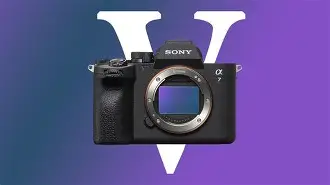
The Sony A7 V represents the fifth generation of the "all-rounder" series that redefined the mirrorless market. Known for its versatility, the A7 series has evolved from a photography-centric line into a true hybrid powerhouse. The A7 V is designed for photographers and videographers who need a single device capable of high-resolution stills and professional-grade video. It features a high-performance full-frame sensor, advanced artificial intelligence autofocus, and robust internal recording capabilities. For the modern creator, this camera provides the canvas upon which visual stories are painted, offering the dynamic range and low-light performance required for cinematic results.
Overview of the Sachtler Ace M Ms Mk II
On the other hand, the Sachtler Ace M Ms Mk II is a specialized support system. It is a tripod and fluid head combination designed specifically for lightweight camcorders and mirrorless rigs, such as the Sony A7 V. Sachtler is legendary among broadcasters and filmmakers for its "Sachtler feel"—the smooth, predictable resistance of its fluid heads that allows for perfect pans and tilts. The Ace M Ms Mk II is the updated version of their entry-level professional tripod, offering a payload range that perfectly matches hybrid camera setups. It ensures that the high-resolution footage captured by the camera is not ruined by erratic movement or vibration.
The Technical Divide: Sensor vs. Support
Comparing these two pieces of gear is less about "which is better" and more about "how do they work together." The Sony A7 V is an active tool that processes data. It handles ISO, shutter speeds, frame rates, and color science. Its primary goal is the conversion of photons into pixels. Its challenges include thermal management, battery life, and digital noise. The Sachtler Ace M Ms Mk II is a passive but mechanical tool. It deals with gravity, friction, and balance. Its primary goal is the stabilization of the camera and the execution of physically smooth motion. Its challenges include weight distribution, leg stability, and the consistency of its fluid drag system.
Detailed Product Analysis: Sony A7 V
The Sony A7 V is built around a sophisticated Exmor R CMOS sensor. One of the most significant upgrades in this generation is the inclusion of a dedicated AI processing unit. This allows the camera to recognize not just human eyes and faces, but also animals, insects, cars, trains, and airplanes with unprecedented accuracy. For a videographer, this means that even if a subject moves erratically, the focus remains locked, allowing the operator to focus entirely on the framing and movement—which is where the tripod comes in.
In terms of video specifications, the A7 V pushes into the territory previously reserved for the specialized "S" series. It offers 4K recording with high bitrates, 10-bit 4:2:2 color depth, and internal S-Cinetone processing. These features provide a "filmic" look straight out of the camera, with soft highlight roll-off and pleasing skin tones. Additionally, its stabilized sensor (In-Body Image Stabilization or IBIS) works to reduce micro-jitters, but it cannot replace the sweeping movements provided by a dedicated fluid head tripods like the Sachtler.
Detailed Product Analysis: Sachtler Ace M Ms Mk II
The Sachtler Ace M Ms Mk II is engineered for the rigors of field production. It features a 75mm bowl, which is the standard for professional video work, allowing for quick leveling even on uneven terrain. The "Mk II" designation brings several refinements over the original model, including enhanced drag settings and more robust leg locks. The fluid head uses Sachtler’s patented fluid damping technology, which ensures that every movement starts and stops without a jerk.
Find top-rated Cameras & Photography products at great prices.
View Offers →The "Ms" in the name stands for Mid-level spreader. This is a critical component for many buyers. A mid-level spreader allows for stability on uneven surfaces like rocks or stairs where a ground spreader would fail. The tripod legs are made of aluminum, providing a balance between durability and weight. While carbon fiber options exist in higher price brackets, the Ace M aluminum legs are remarkably sturdy and can handle the daily abuse of travel and outdoor shooting. The system is rated for a payload of up to 4 kilograms (8.8 lbs), which is more than enough for a Sony A7 V equipped with a large G-Master lens, a monitor, and a microphone.
Real-World Use Cases
Consider a wedding filmmaker. Their day involves capturing fast-moving ceremony action and slow, romantic b-roll. The Sony A7 V’s autofocus ensures the bride’s eyes are in focus during the walk down the aisle. However, during the reception speeches, the filmmaker needs to perform smooth pans between the speaker and the laughing guests. A basic photo tripod would result in sticky, stuttering movements. The Sachtler Ace M Ms Mk II allows that filmmaker to execute those pans with professional grace, making the final edit look like a high-end production rather than a home movie.
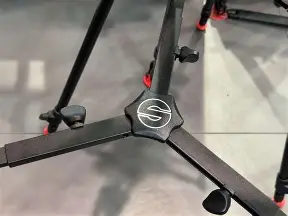
In wildlife cinematography, the A7 V’s high-speed burst and 4K 60p capabilities allow for beautiful slow-motion shots of birds in flight. But a bird at 400mm or 600mm magnification shows even the slightest heartbeat as a massive shake in the frame. The Sachtler system provides a rock-solid platform that can be balanced perfectly so that the camera "floats." When the bird takes off, the fluid head allows the operator to track the flight path with consistent resistance, ensuring the subject stays centered in the frame.
Pros and Cons
Sony A7 V
- Pro: Industry-leading AI-driven autofocus that simplifies complex shooting scenarios.
- Pro: Excellent hybrid performance capable of 33MP+ stills and professional 10-bit video.
- Pro: Advanced connectivity options including full-size HDMI and fast USB-C data transfer.
- Pro: Extensive ecosystem of E-mount lenses ranging from affordable primes to cinema glass.
- Con: Potential for overheating during extended 4K high-bitrate recording in warm environments.
- Con: Menu system, while improved, remains dense and requires a steep learning curve for new users.
Sachtler Ace M Ms Mk II
- Pro: Genuine glass-smooth fluid drag that is a significant upgrade over entry-level fluid heads.
- Pro: Lightweight and portable design specifically optimized for mirrorless and DSLR rigs.
- Pro: Mid-level spreader provides exceptional stability on uneven and rough terrain.
- Pro: Durable construction that can withstand years of professional use in the field.
- Con: Payload limit of 4kg restricts the use of larger cinema cameras or heavy rigging accessories.
- Con: Aluminum legs are heavier than carbon fiber alternatives found in the Ace XL series.
Comparison Table: Sensor Tech vs. Support Tech
To better understand the differences and how these two products fulfill their respective roles, the following table highlights their primary specifications.
| Feature | Sony A7 V (Camera) | Sachtler Ace M Ms Mk II (Support) |
|---|---|---|
| Primary Function | Image and Video Capture | Camera Stabilization and Movement |
| Core Technology | Full-Frame Exmor R CMOS / BIONZ XR | SA-drag Fluid Damping System |
| Max Capacity/Resolution | 4K 60p Video / ~33MP Stills | 4kg (8.8 lbs) Payload |
| Key Physical Attribute | In-Body Image Stabilization (IBIS) | 75mm Bowl Leveling / Mid-level Spreader |
| Weight | Approx. 650g (Body Only) | Approx. 4.4kg (Total System) |
| Power Requirement | NP-FZ100 Battery | None (Manual Mechanical) |
Buying Guide: Making the Right Choice
When building a professional camera kit, the temptation is often to spend the entire budget on the camera body. However, an expensive camera on a cheap tripod is a recipe for frustration. Here is how to decide how to allocate your resources between these two types of gear.
When to Prioritize the Sony A7 V
You should prioritize the camera body if your current constraint is image quality, low-light performance, or focus accuracy. If you are currently shooting with an older DSLR or a crop-sensor camera and find that your images are too noisy or you are missing shots because the autofocus is too slow, the Sony A7 V is the logical next step. It is the core of your creative output. This is especially true for photographers who spend more time shooting stills than video, as the tripod becomes less of a critical "motion" tool and more of a static support in those instances.
When to Prioritize the Sachtler Ace M Ms Mk II
You should prioritize the Sachtler support system if you already own a decent mirrorless camera but find that your video work looks "unpolished." If your pans have a "click" at the start, or if your tripod legs wobble when touched, you have reached the limit of consumer-grade support. The Sachtler Ace M Ms Mk II is an investment in your craft's production value. Unlike camera bodies, which are often replaced every three to five years as technology advances, a high-quality Sachtler tripod can easily last a decade or more. It is a one-time purchase that will serve multiple generations of camera bodies.
Looking for the best Cameras & Photography deals on Amazon?
View Offers →The "Better Together" Strategy
For those starting from scratch, the ideal approach is to view these as a package. The Sony A7 V provides the high-fidelity signal, and the Sachtler Ace M provides the physical control. When paired, they allow for a style of shooting called "one-man-band" production. The A7 V handles the technical complexities of focus and exposure automatically, while the Sachtler allows the operator to execute creative movements that would be impossible handheld. If the budget doesn't allow for both at once, start with the A7 V to secure the image quality, but make the Sachtler your very next priority.
Key Buyer Considerations
Buyers typically care about three main pillars: Reliability, Versatility, and Ease of Use. The Sony A7 V hits the reliability mark with its weather-sealed body and dual card slots for instant backup. Its versatility is unmatched, functioning as a high-end webcam, a studio portrait camera, or a documentary film tool. Its ease of use is bolstered by the touch-screen interface and the aforementioned AI autofocus.
The Sachtler Ace M Ms Mk II addresses reliability through its simple, mechanical nature—there are no firmware updates or batteries to worry about. Its versatility comes from the 75mm bowl and the illuminated leveling bubble (a small but vital feature for shooting in dark venues). Ease of use is found in the quick-release plate system, which allows the operator to pop the camera on and off the tripod in seconds, transitioning from "sticks" to "handheld" without missing a beat.
Conclusion
The difference between the Sony A7 V and the Sachtler Ace M Ms Mk II is the difference between the "eye" and the "hand" of the filmmaker. The Sony A7 V is a masterpiece of digital engineering, focused on the science of capturing a perfect frame through AI assistance and high-resolution optics. It is a data-driven device that excels in the modern, fast-paced world of hybrid content creation. The Sachtler Ace M Ms Mk II is a masterpiece of mechanical engineering, focused on the art of physical movement and the necessity of absolute stability. It is a tactile, precision-weighted tool that provides the smooth, cinematic motion that viewers associate with professional cinema.
While they belong to different categories of equipment, they are inextricably linked in the workflow of a professional. High-resolution 4K video from an A7 V only highlights the flaws of a poor tripod, and a professional Sachtler head is wasted on a camera that cannot produce a clean image. By understanding the specific strengths of each—the A7 V’s intelligence and sensor quality versus the Sachtler’s fluid motion and structural integrity—creators can make informed decisions that will elevate their work for years to come. Investing in both ensures that you have the tools necessary to not only see the world clearly but to move through it with professional precision.